Introduction
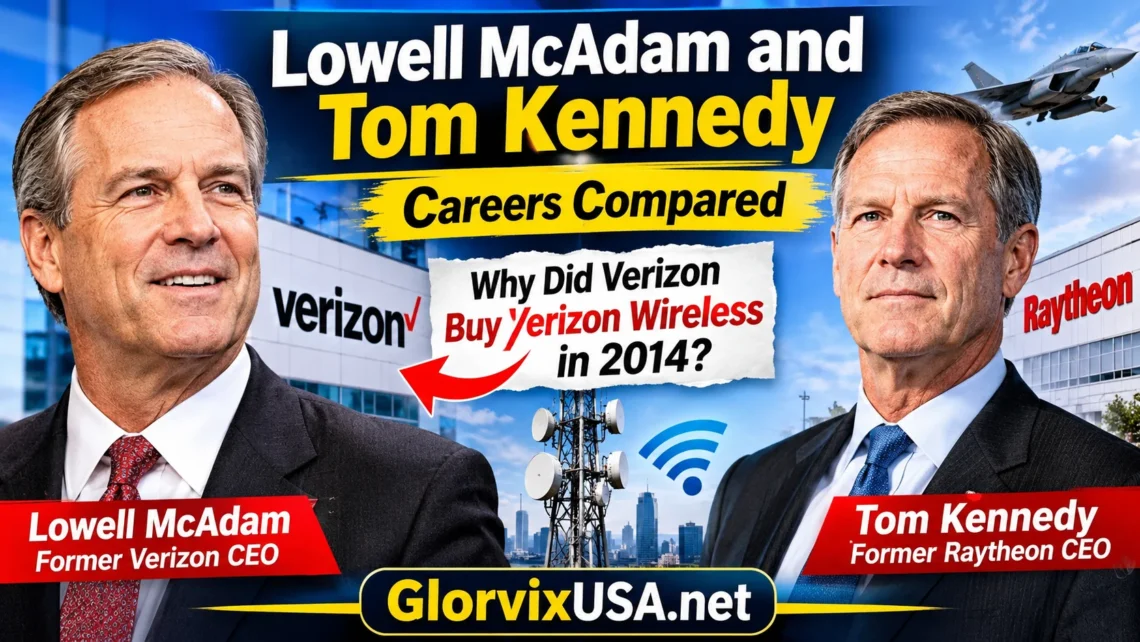
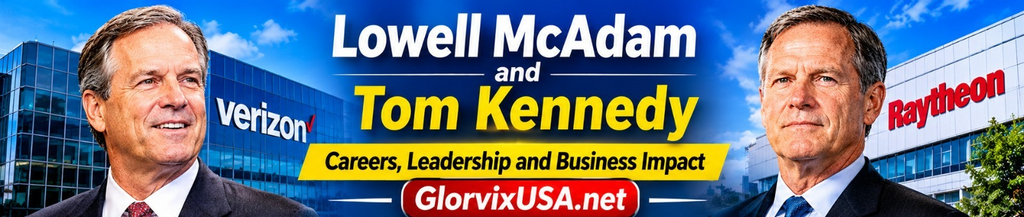
Lowell McAdam and Tom Kennedy are two prominent American business executives whose careers have influenced different areas of the technology and industrial sectors. McAdam is widely recognized for his leadership at Verizon Communications, while Kennedy became known for guiding Raytheon, a major aerospace and defense company. Although they worked in different industries, their executive careers offer an interesting comparison of leadership, technical knowledge, and corporate management.
People searching for Lowell McAdam and Tom Kennedy often want to understand who these executives are, what companies they led, and whether they share a professional or personal connection. Their careers provide useful examples of how experienced leaders manage large organizations, respond to technological changes, and make important business decisions. However, their overlapping executive timelines should not be mistaken for proof of a direct business partnership or family relationship.
Read More: Well-known American Award-Winning Actress and Business Executive
Who Are Lowell McAdam and Tom Kennedy?
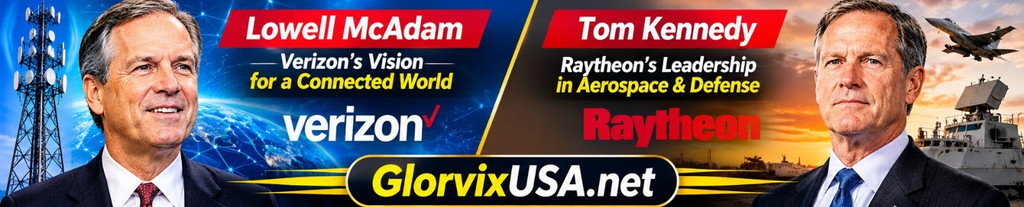
Lowell McAdam is a former chairman and chief executive officer of Verizon Communications. He built much of his career in telecommunications, wireless networks, and technology management. His leadership helped Verizon strengthen its wireless operations, expand its network infrastructure, and explore opportunities in digital services.
Tom Kennedy, formally known as Thomas A. Kennedy, is a former chairman and chief executive officer of Raytheon. His professional background centers on engineering, aerospace, defense technology, and corporate leadership. He guided Raytheon through important developments before the company became part of Raytheon Technologies through a merger with United Technologies.
Although both executives reached senior leadership positions, their professional responsibilities differed considerably. McAdam focused on communication networks and consumer technology, whereas Kennedy worked in an industry connected to defense systems, aerospace engineering, and advanced technological solutions.
Quick Overview of Both Executives
| Category | Lowell McAdam | Tom Kennedy |
|---|---|---|
| Full name | Lowell C. McAdam | Thomas A. Kennedy |
| Nationality | American | American |
| Profession | Business executive | Business executive |
| Known for | Former Verizon CEO | Former Raytheon CEO |
| Main industry | Telecommunications | Aerospace and defense |
| Leadership experience | Verizon Communications | Raytheon |
| Professional focus | Wireless networks and digital services | Engineering and defense technology |
Lowell McAdam: Early Career and Professional Background
Lowell McAdam developed his professional career through a combination of engineering education, military experience, and corporate management. He earned a bachelor’s degree in engineering from Cornell University and later completed an MBA at the University of San Diego. Before entering senior telecommunications management, he served for six years in the U.S. Navy Civil Engineer Corps.
His early professional experience included positions at Pacific Bell, AirTouch Communications, and PrimeCo Personal Communications. These roles allowed him to gain practical knowledge of telecommunications infrastructure and wireless business operations. Over time, he became increasingly involved in managing complex communication networks and developing business strategies.
McAdam joined Verizon Wireless in 2000 and quickly became an important member of its leadership team. He served as executive vice president and chief operating officer before becoming president and CEO of Verizon Wireless in 2007. These responsibilities helped prepare him for a larger leadership position within Verizon Communications.
How Did Lowell McAdam Become Verizon CEO?
McAdam’s experience in wireless operations played an important role in his appointment as Verizon’s chief executive officer. He became CEO on August 1, 2011, after previously serving as the company’s president and chief operating officer. His appointment reflected the company’s confidence in his operational knowledge and long-term understanding of the telecommunications industry.
On January 1, 2012, he also became chairman of Verizon’s board. This position gave him responsibility for both corporate leadership and important strategic decisions. During his tenure, Verizon continued investing in network infrastructure, expanding wireless capabilities, and exploring new opportunities in digital technology.
Major Achievements During His Verizon Leadership
McAdam oversaw several important developments during his time as CEO. One of the most significant was Verizon’s acquisition of Vodafone’s 45% stake in Verizon Wireless in 2014, which gave Verizon complete ownership of the wireless business.
Other important developments included:
- Network investment: Verizon continued investing heavily in wireless and fiber-optic infrastructure.
- Business expansion: The company pursued opportunities in digital media, broadband, and connected technology.
- Major acquisitions: Verizon acquired businesses including AOL and Yahoo as part of its broader digital media strategy.
- Wireless development: The company continued improving its 4G LTE network while preparing for next-generation connectivity.
- Corporate strategy: McAdam focused on strengthening Verizon’s position in an increasingly competitive communications market.
These developments demonstrate how his leadership connected traditional telecommunications services with emerging digital opportunities.
Tom Kennedy: Career and Leadership at Raytheon
Tom Kennedy built his career in the aerospace and defense industry, where technical knowledge and long-term planning play important roles. His professional experience at Raytheon involved managing complex operations and supporting the development of advanced technologies. The company operates in areas such as defense systems, aerospace, sensors, and related technological solutions.
Kennedy eventually became one of Raytheon’s most important executives. He served as chairman and CEO from 2014 until the company’s combination with United Technologies in 2020. His leadership involved overseeing business operations, maintaining strategic priorities, and managing the company’s position in a highly specialized industry.
Unlike telecommunications companies that serve millions of everyday customers, defense contractors often work with government agencies and institutional clients. Consequently, Kennedy’s executive responsibilities required a strong understanding of engineering, international business, security requirements, and large-scale industrial operations.
Tom Kennedy’s Role in Raytheon’s Growth
Kennedy guided Raytheon during a period when technological innovation remained central to the aerospace and defense industry. The company continued developing advanced defense products and supporting customers with complex security and technology requirements.
His leadership also coincided with major changes in the company’s corporate structure. In 2020, Raytheon merged with United Technologies to create Raytheon Technologies. This combination brought together businesses with capabilities in aerospace, defense, and advanced engineering.
The transition represented an important development in the company’s history. It also demonstrated the scale of corporate planning required when two large organizations combine their operations, employees, technologies, and business strategies.
Also Read: Comparing Two Influential Business Leaders
Important Areas of Tom Kennedy’s Professional Experience
Kennedy’s executive career highlights several areas of corporate management:
- Corporate leadership: Managing a large organization with complex operational responsibilities.
- Technology development: Supporting businesses that depend on advanced engineering and technical expertise.
- Strategic planning: Maintaining long-term business objectives in a competitive industry.
- Organizational management: Overseeing operations during significant corporate changes.
- Industry development: Guiding a company through important changes in the aerospace and defense market.
His career illustrates how technical industries require leaders who can connect engineering knowledge with financial and organizational decisions.
What Is the Connection Between Lowell McAdam and Tom Kennedy?
The most clearly identifiable connection between Lowell McAdam and Tom Kennedy is their experience leading major American corporations during overlapping years. McAdam served as Verizon’s CEO from August 2011 until August 2018, while Kennedy became Raytheon’s CEO in 2014 and continued in that position until 2020.
Their leadership periods therefore overlapped from 2014 through July 2018. During those years, both executives managed organizations that relied heavily on technology, infrastructure, research, and long-term investment.
However, their shared professional timeline does not establish that they were business partners or worked together on a particular project. Their careers developed independently within different industries, and there is no established public evidence confirming a family relationship between them.
Did Lowell McAdam and Tom Kennedy Work Together?
There is no clearly established public record confirming that McAdam and Kennedy held a joint executive position or managed a specific business project together. Their leadership responsibilities belonged to separate corporations with different customers, products, and commercial priorities.
Nevertheless, their careers can be compared because both operated in technology-intensive business environments. Their companies also faced similar broad management challenges, including innovation, infrastructure investment, competition, and changing customer or government requirements.
It is important to distinguish between a professional comparison and a documented working relationship. The former is reasonable, while the latter requires specific evidence.
Are Lowell McAdam and Tom Kennedy Related?
There is no reliable public information establishing that Lowell McAdam and Thomas A. Kennedy are relatives. Their names appear together in business-related discussions because of their executive positions and overlapping leadership periods.
Readers should therefore avoid assuming that a shared search result indicates a family connection. Their documented professional backgrounds provide a much clearer explanation for why people may compare them.
Lowell McAdam vs. Tom Kennedy: Key Differences
Although both executives led large organizations, their professional responsibilities and industries were different. Comparing their careers helps explain how leadership strategies change according to the needs of a particular business.
| Comparison | Lowell McAdam | Tom Kennedy |
|---|---|---|
| Company | Verizon | Raytheon |
| Industry | Telecommunications | Aerospace and defense |
| Main business focus | Wireless and communication services | Defense and aerospace technology |
| CEO appointment | 2011 | 2014 |
| Main leadership period | 2011–2018 | 2014–2020 |
| Major corporate development | Full Verizon ownership of Verizon Wireless | Merger with United Technologies |
| Business environment | Consumer and enterprise communications | Government and institutional customers |
Different Industries, Different Responsibilities
McAdam’s work involved managing communication services that individuals and businesses use every day. Network reliability, customer satisfaction, wireless coverage, and infrastructure investment were central to Verizon’s operations.
Kennedy’s responsibilities were different because Raytheon operated in a specialized industrial environment. Its work involved advanced engineering, defense systems, and technologies that require extensive development and coordination. Both roles demanded strategic thinking, but their daily business priorities were not identical.
Similarities in Their Leadership Approaches
Despite their different industries, several similarities make their careers worth examining:
- Both reached the highest levels of corporate management.
- Both worked in technology-focused organizations.
- Both managed businesses with significant operational responsibilities.
- Both experienced periods of corporate and technological change.
- Both needed to balance long-term investment with business performance.
These similarities show that successful executive leadership often depends on transferable management skills, even when companies operate in completely different markets.
The Importance of Technology in Their Careers
Technology played a central role in the professional development of both executives. However, each approached technological progress from a different business perspective.
At Verizon, McAdam focused on communication infrastructure, wireless networks, broadband services, and digital opportunities. Telecommunications companies must continuously improve their networks because customers expect reliable connections, faster services, and wider coverage.
At Raytheon, Kennedy’s business environment involved advanced engineering and specialized defense technologies. These products require research, technical expertise, careful testing, and long development cycles. The company also operates in a market where reliability and performance are especially important.
How Technology Shaped Their Corporate Strategies
Their experiences demonstrate several important business lessons:
- Investment matters: Technology companies must invest in infrastructure and research to remain competitive.
- Innovation requires planning: New products and services need long-term strategies rather than short-term decisions.
- Leadership must adapt: Executives must respond to technological changes and changing market requirements.
- Industry knowledge is essential: Leaders need to understand the technical and commercial realities of their businesses.
Their careers show that technology is not simply a department within a large company. It can influence the organization’s entire business model, investment strategy, and future direction.
What Happened After Their CEO Careers?
The end of a CEO position does not necessarily mean the end of an executive’s professional influence. Many experienced business leaders continue contributing through board memberships, advisory responsibilities, and other professional activities.
McAdam stepped down as Verizon’s CEO on August 1, 2018. Hans Vestberg succeeded him in that position, while McAdam continued serving as executive chairman during the transition. He retired from Verizon at the end of 2018 and subsequently remained connected with business and educational leadership activities.
Kennedy continued serving as executive chairman after the 2020 Raytheon-United Technologies merger. He retired from that executive chairman position in June 2021. His later professional experience has also included board-level responsibilities, demonstrating how senior executives can continue applying their experience after leaving operational leadership.
Their Professional Legacy
McAdam’s career is closely associated with the expansion of wireless communications and Verizon’s development as a major telecommunications provider. His leadership period included significant investments, acquisitions, and strategic decisions that influenced the company’s direction.
Kennedy’s legacy is connected to Raytheon’s position in the aerospace and defense industry and its transition into a larger combined organization. His experience reflects the importance of engineering knowledge, industrial management, and corporate strategy.
Both careers demonstrate that executive influence often extends beyond an individual’s time as CEO.
Lessons Business Professionals Can Learn From Their Careers
The professional journeys of Lowell McAdam and Tom Kennedy offer useful lessons for people interested in business management, technology, and corporate leadership. Their experiences highlight the importance of preparation, industry knowledge, and the ability to manage change.
Here are five practical lessons worth considering:
- Develop strong technical knowledge: Understanding the products and services of a business helps leaders make informed decisions.
- Build experience gradually: Senior leadership often comes after years of operational and management responsibilities.
- Think about long-term growth: Major companies need strategies that prepare them for future industry developments.
- Adapt to changing markets: Business leaders must recognize new opportunities and respond to competition.
- Manage organizational change carefully: Acquisitions, mergers, and technology transitions require clear planning and communication.
These lessons apply beyond telecommunications and defense. Entrepreneurs, managers, and professionals in many industries can benefit from understanding how experienced executives approach complex decisions.
Why Are Lowell McAdam and Tom Kennedy Compared?
People may compare these executives because both held influential positions in major American corporations and led technology-oriented organizations. Their CEO tenures also overlapped for several years, creating a clear timeline connection.
Another reason for the comparison is their different approaches to managing businesses that depend on technical expertise. McAdam’s career offers insight into telecommunications and digital infrastructure, while Kennedy’s experience provides a perspective on aerospace, defense, and industrial technology.
Ultimately, their comparison is useful for understanding different forms of corporate leadership. It does not, however, establish a direct personal relationship, family connection, or confirmed business partnership.
Frequently Asked Questions (FAQs)
1. Who is Lowell McAdam?
Lowell McAdam is an American business executive best known for serving as chairman and CEO of Verizon Communications. He became CEO in August 2011 and stepped down from the position in August 2018.
2. Who is Tom Kennedy?
Tom Kennedy, whose full name is Thomas A. Kennedy, is a former chairman and CEO of Raytheon. He led the company from 2014 until its merger with United Technologies in 2020.
3. Are Lowell McAdam and Tom Kennedy related?
There is no reliable public evidence establishing a family relationship between Lowell McAdam and Thomas A. Kennedy. Their connection is primarily based on their careers as senior American business executives.
4. Did Lowell McAdam and Tom Kennedy work for the same company?
No. McAdam is associated with Verizon Communications, while Kennedy is associated with Raytheon. They led separate organizations in different industries.
5. When did their CEO careers overlap?
Their CEO tenures overlapped from 2014 through July 2018. McAdam led Verizon from 2011 to 2018, while Kennedy led Raytheon from 2014 to 2020.
6. What is Lowell McAdam best known for?
McAdam is best known for leading Verizon through important developments in wireless communications, network investment, and digital business expansion. His leadership also included Verizon’s acquisition of Vodafone’s stake in Verizon Wireless.
7. What is Tom Kennedy best known for?
Kennedy is best known for his leadership at Raytheon, particularly during a period of technological development and major corporate change. He also played an executive leadership role during the company’s combination with United Technologies.
8. Why are these two executives discussed together?
They are discussed together because they led major American companies during overlapping years and worked in technology-intensive industries. Their careers provide an interesting comparison of corporate leadership, although no direct partnership has been established.
Conclusion
Lowell McAdam and Tom Kennedy built influential careers in two different areas of American business. McAdam led Verizon through important developments in wireless communications and digital services, while Kennedy guided Raytheon through changes in aerospace, defense technology, and corporate structure. Their leadership periods overlapped, making their professional experiences interesting to compare.
Although their careers share similarities in technology and executive management, there is no established evidence of a direct personal relationship or business partnership. Understanding their individual achievements provides a clearer picture of how experienced leaders guide large organizations through innovation, competition, and change.
For more, visit GlorvixUSA!